
Archive Introduction
Documentation Purpose
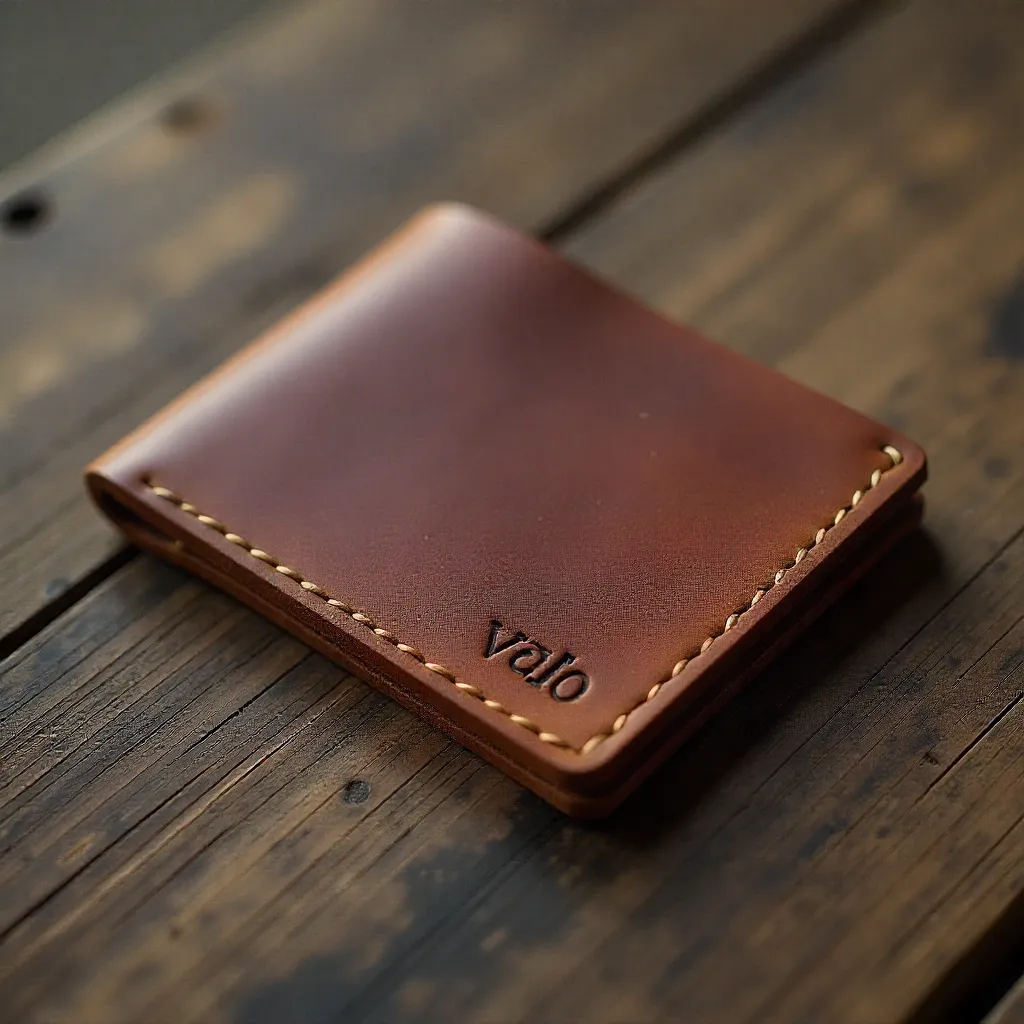
This archive presents products after extended use periods. Images show natural patina development and material aging patterns. Each item reflects individual usage characteristics.

Usage Context
Items shown have been in regular use for periods ranging from one to ten years. Environmental factors and handling patterns influence patina development. Natural variations create visual diversity.
Time-Based Documentation
Early Stage
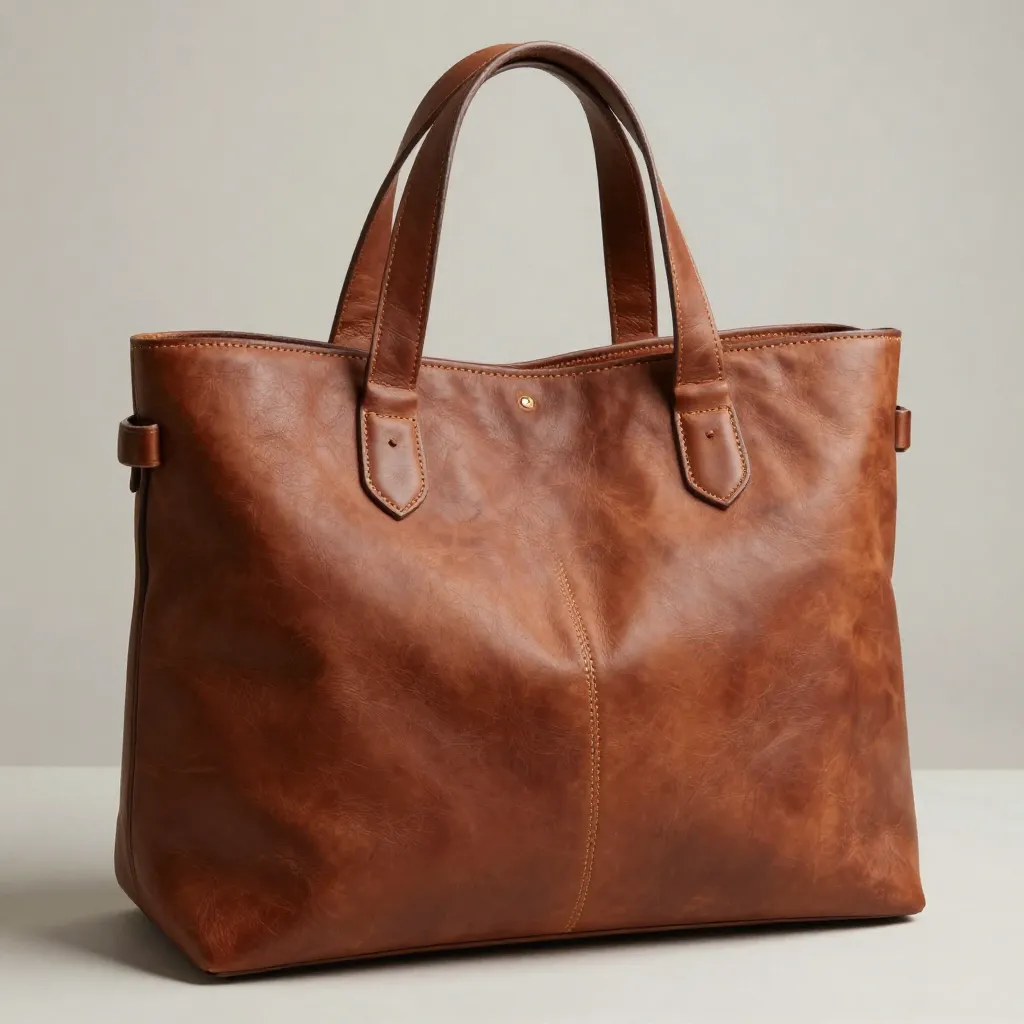
Initial months show subtle color shifts. Surface texture begins to soften. Natural oils from handling create slight darkening in high-contact areas. Overall appearance remains close to original state.
Mid Stage
After one to three years, patina becomes more pronounced. Color saturation increases noticeably. Surface develops subtle sheen from regular handling. Edge wear remains minimal.
Mature Stage
Extended use periods reveal full patina development. Surface character is fully established. Natural variations create unique visual identity. Structural integrity remains intact.
Surface Characteristics
Color Development
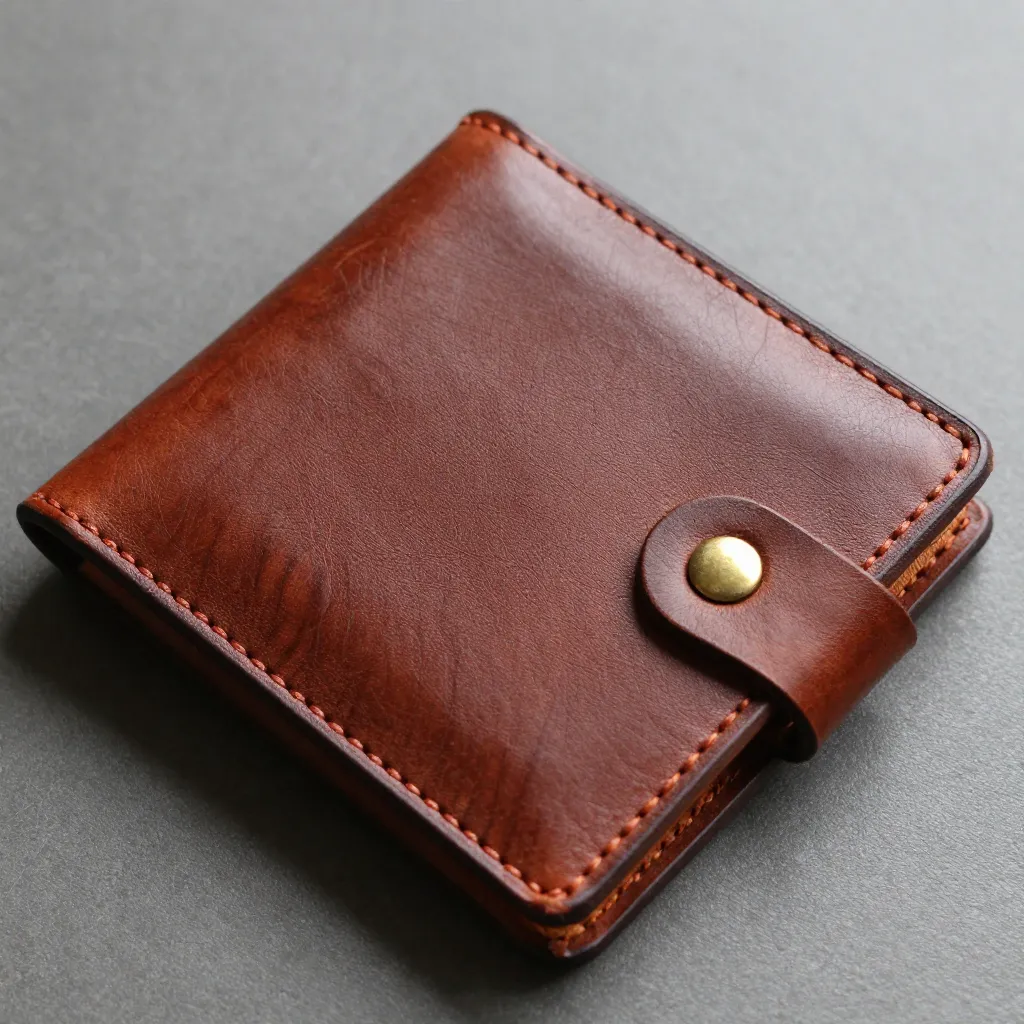
Natural aging creates depth in color tones. Darker areas develop in high-contact zones. Overall hue shifts toward warmer tones. Individual variations reflect usage patterns.
Texture Changes
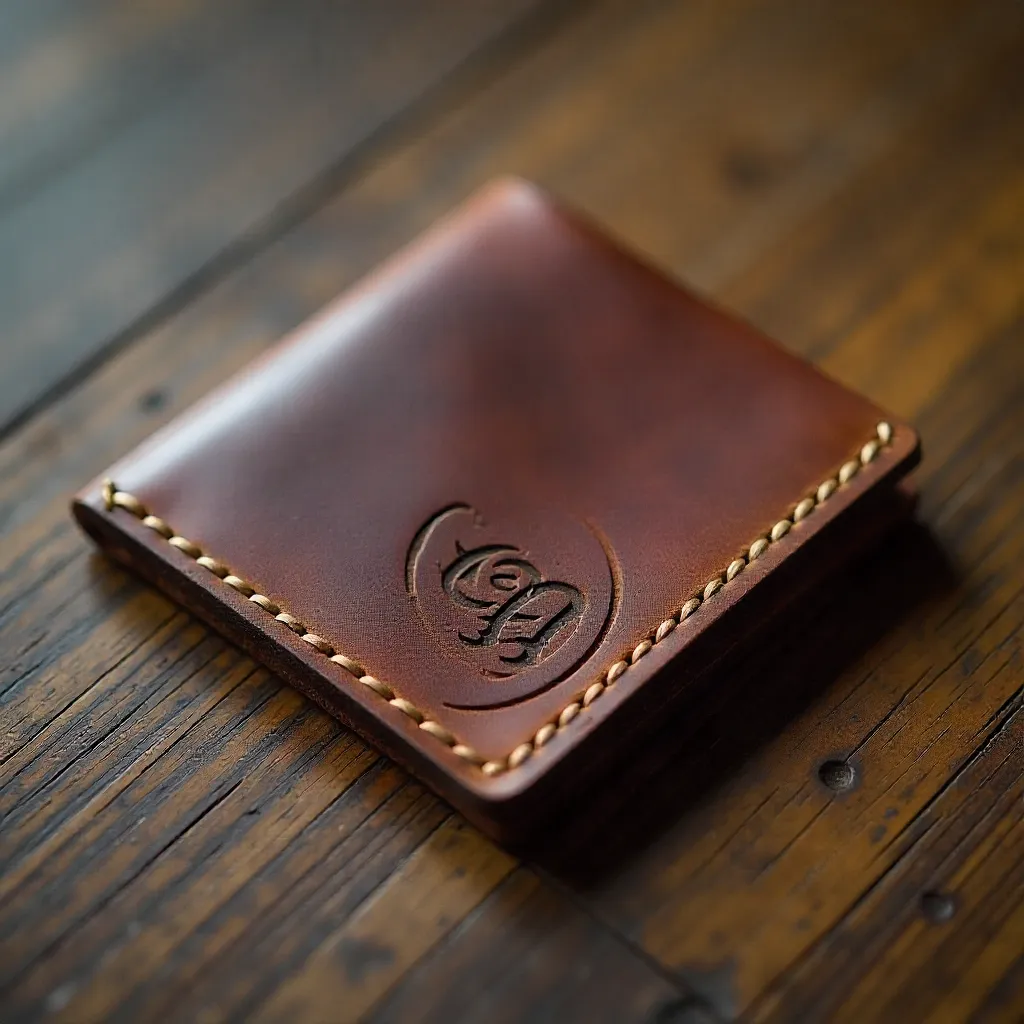
Surface becomes smoother through regular contact. Grain patterns become more visible. Natural markings become integrated into overall appearance. Texture reflects material quality.
Maintenance Impact
Conditioning Effects
Regular conditioning maintains material flexibility. Surface appearance remains consistent. Natural patina development continues unaffected. Minimal maintenance preserves characteristics.
Storage Influence
Proper storage conditions prevent excessive drying. Material retains suppleness over extended periods. Environmental factors are minimized. Long-term appearance is preserved.
Usage Patterns
Frequency of use influences patina development rate. Regular handling accelerates surface changes. Storage periods allow material to stabilize. Patterns reflect individual habits.